Journal
Mazzucchelli 1849: the color bakery
October 26, 2026 | 2 min read
since 1849
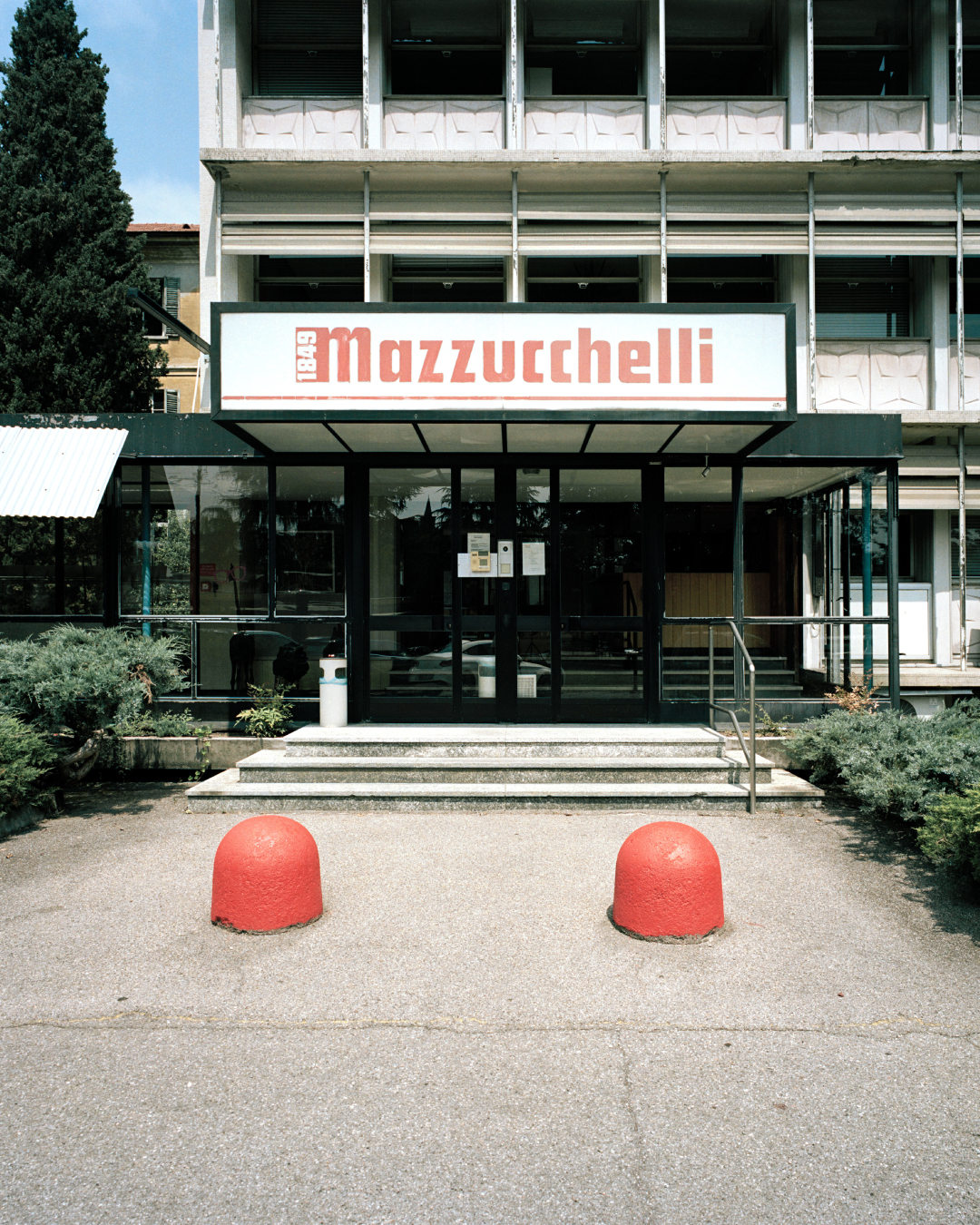
Mazzucchelli started out in 1849 making combs and buttons. Then they made acetate into something people want to wear. It's still a family company, in Castiglione Olona, in Lombardy, and most of our acetate comes from there.
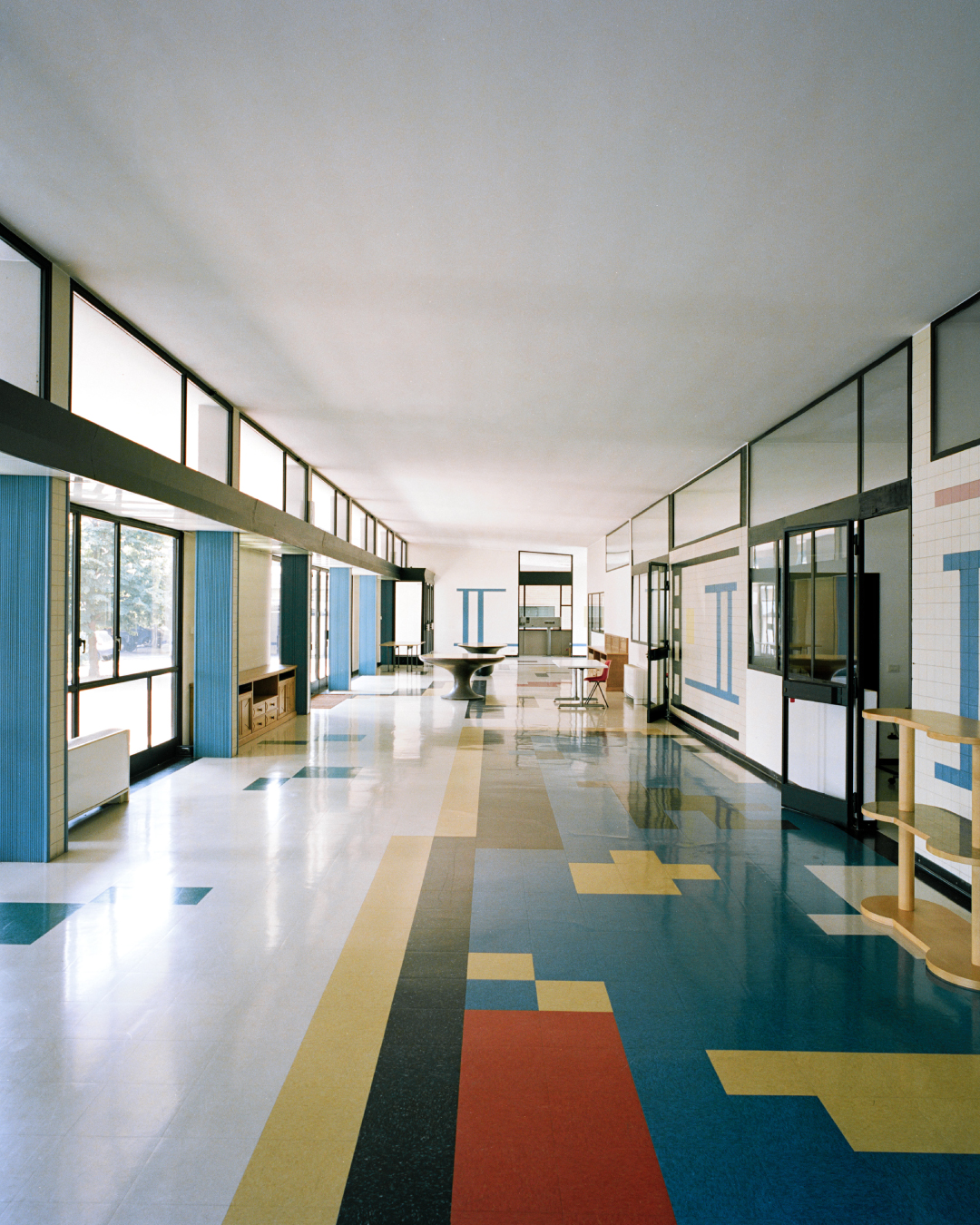
Their lab feels like a bakery: materials out, things being mixed, a smell, a temperature. The space hasn't changed much since the seventies, and that's no flaw: it's the sign of a company that takes care of things. We've worked with the same people there for over a decade, and the conversation always picks up where it left off. They know what acetate will and won't do, and their archive holds over seventy years of samples to prove it.



from paste to sheet
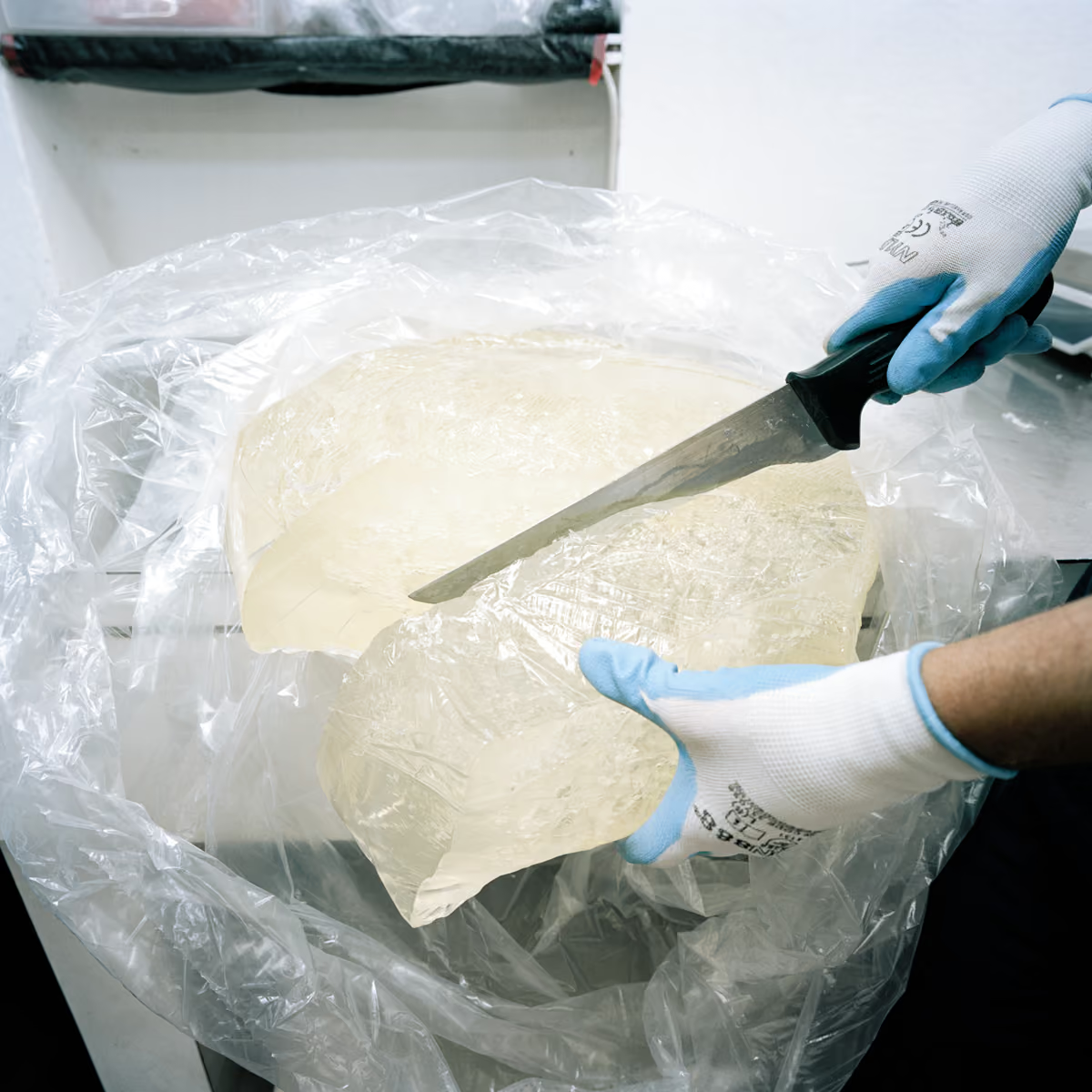
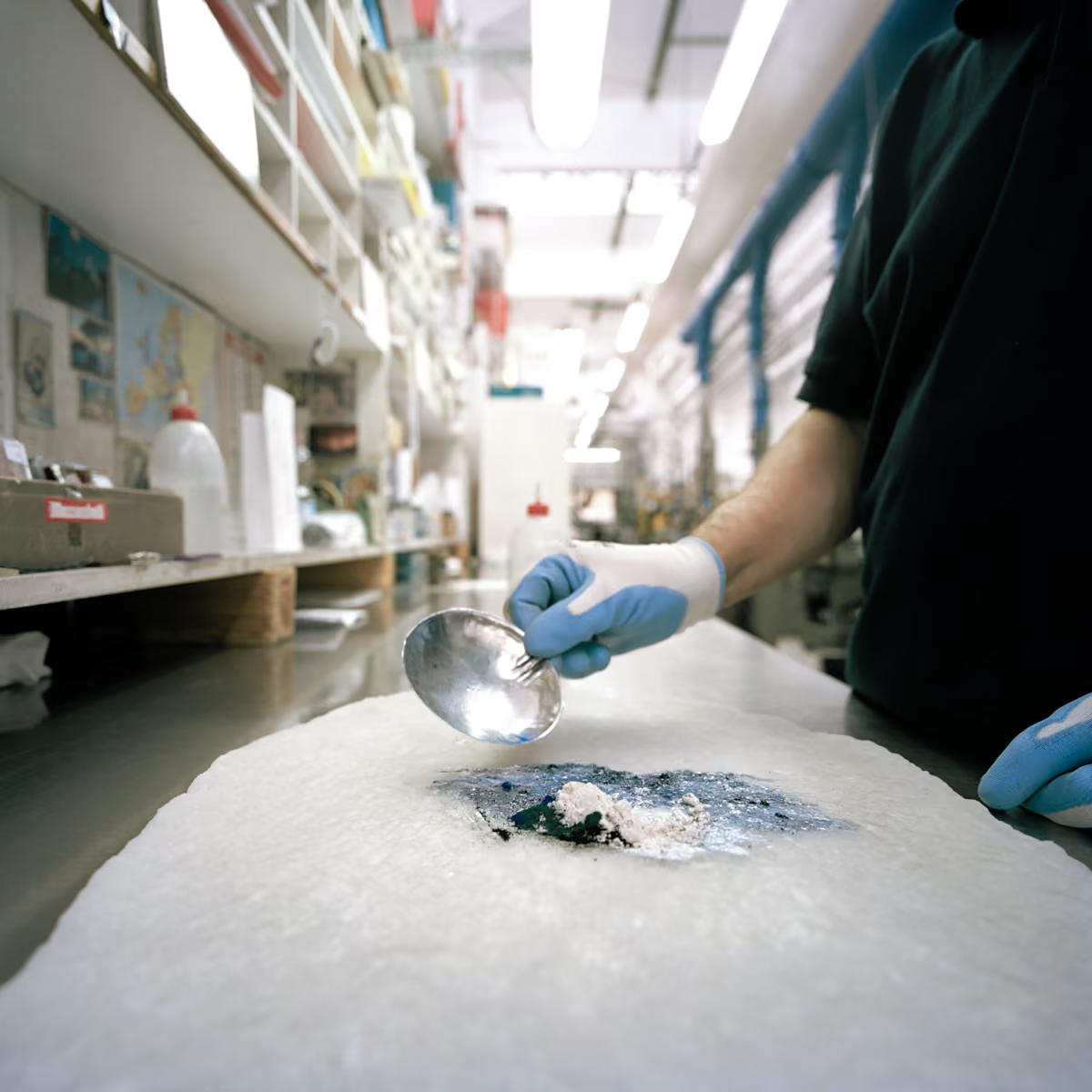
Cellulose acetate begins with wood pulp and cotton fibers, an organic alternative to petroleum-based plastics. Treated with acetic acid over several days, the cellulose becomes a thick, workable paste. Pigments are added to the paste by hand to reach the exact shade, so the color runs through the material instead of sitting on the surface.
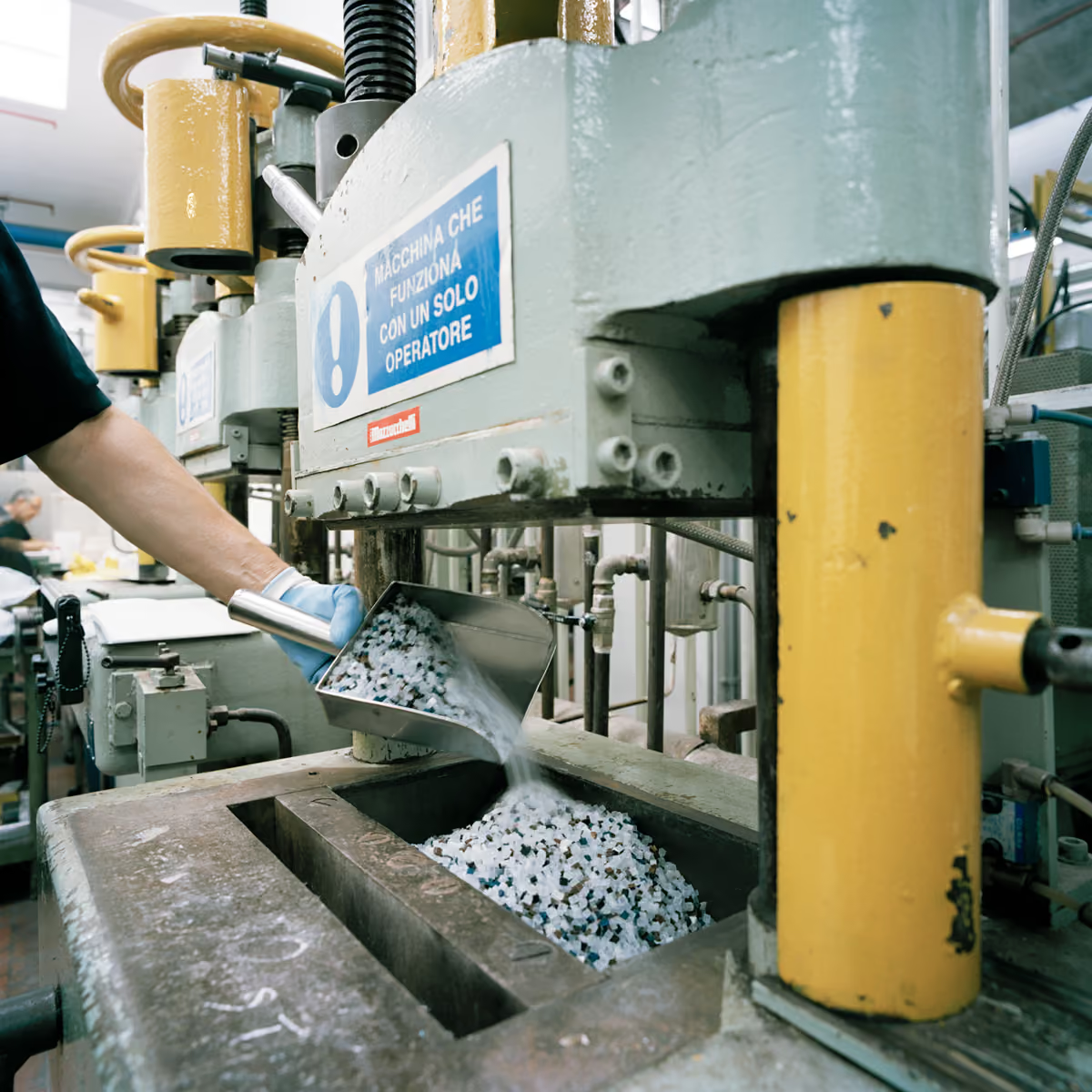
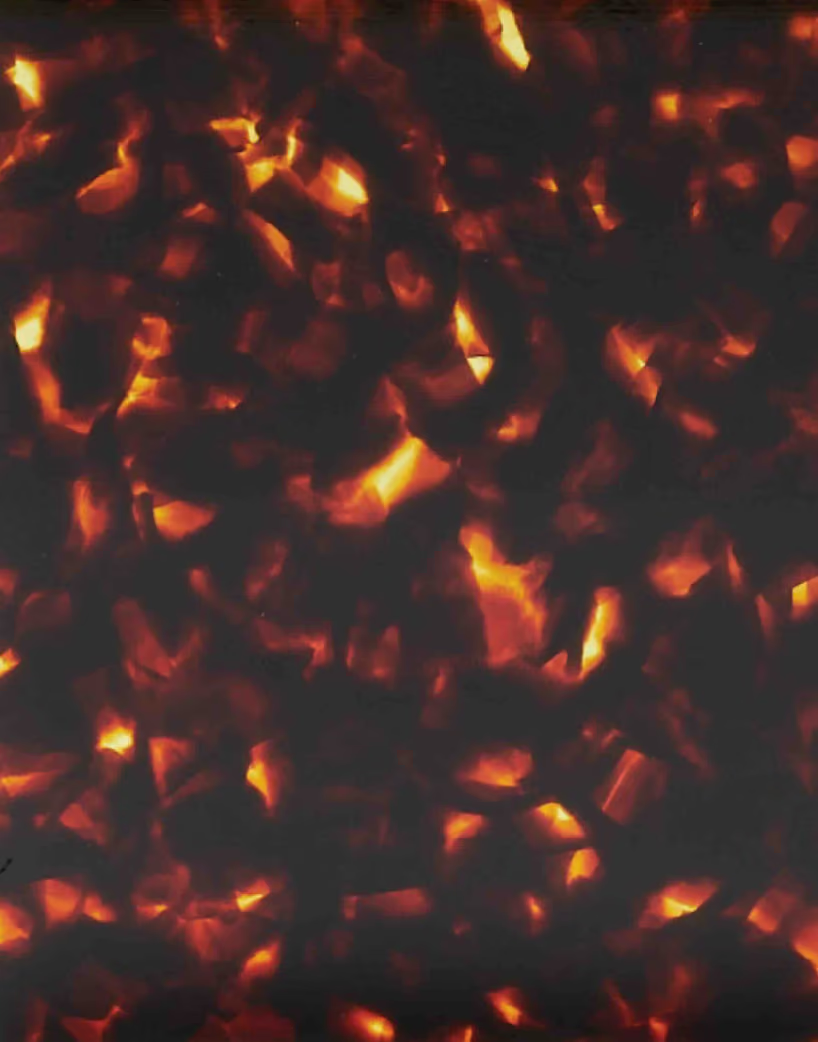
What happens next depends on the acetate. For a block, the colored paste is cut into small cubes, combined with cubes of other colors and pressed into a single mass, which is then sliced into sheets. A layered acetate brings together layers of solid color. A gradient is built like a wedge, so that one color fades into another.
Pressing and curing give the material its transparency and strength, and the whole process takes weeks. Then it has to rest: cut too early, it moves; left too long, it turns brittle. Even at the end of its life, acetate isn't finished. Broken down chemically, up to 90% of the original material can be recycled.
It's a slow way to make a material. That's exactly why we keep going back.